Climate protection is health protection
Planetary health: advancing human health in the era of climate change
Heatwaves, deteriorating air quality and extreme weather events are reshaping our living conditions. The climate and environmental crisis represent one of the greatest threats to human health. Are we prepared? Adaptation strategies, heat action plans and public education are essential to protecting health in a changing climate.
Hot summer days and stagnant air put our bodies under strain. Human health depends on stable climatic and environmental conditions. Yet unlike other living beings, we have one crucial advantage: the ability to act. Alongside environmental and climate protection, targeted preventive measures are essential to safeguard our health. This is where planetary health comes in. It is a field that examines the health of human civilisation and the natural systems on which it depends. It explores how human-driven changes to the environment, such as climate change and biodiversity loss, affect both human and ecological health, and promotes transformative solutions. Planetary health is inherently interdisciplinary, bringing together fields such as ecology, atmospheric science, public health and political science.
How does climate change affect human health?
 Planetary health is an interdisciplinary field of research that deals with the relationships between the environment and humans and the consequences for human health. (Symbolic image, AI-generated.)
Hot days place a particular strain on the human body. As the heart works harder to maintain blood flow, the cardiovascular system comes under increased stress. Normally, evaporation through the skin helps cool the body, but eventually, this adaptive capacity can be overwhelmed. Increased blood flow to the skin diverts blood from other organs, which can lead to serious consequences. In the intestines, reduced blood flow may cause small tears, allowing pathogens to enter the body. In the brain, insufficient circulation can lead to heat exhaustion, heatstroke, and in extreme cases, death.
Older adults and people with pre-existing conditions, such as cardiovascular, respiratory, neurodegenerative or metabolic diseases, are particularly vulnerable to heat. Children also require protection, as their bodies are not yet efficient at cooling through sweating. Bedridden individuals and the approximately two million people who regularly work outdoors – construction, agriculture and skilled trades – are also at heightened risk. Protecting these groups requires different approaches: for the first, adjustments to living environments are crucial; for the second, changes to working hours and conditions can help reduce heat exposure.
Heat not only affects the body but also the mind. Some people experience anxiety or depression over the potential impacts of climate change on their future. For individuals with dementia, dehydration during hot weather is particularly dangerous, often leading to confusion and cognitive deterioration.
Air pollution has many consequences
Non-communicable diseases account for 72 percent of all deaths worldwide. While individuals can take steps to counteract risk factors such as physical inactivity, unhealthy diets and alcohol or tobacco consumption, one factor remains largely beyond individual control: air pollution – the largest environmental health risk in Europe.1) Air pollutants irritate the mucous membranes and damage the respiratory tract. Fine particulate matter can enter the bloodstream through the lungs, affecting multiple organs and contributing to conditions such as cancer, cardiovascular disease and respiratory illness. Recent research also suggests that fine particles may increase the risk of neurodegenerative diseases, including Alzheimer's and other forms of dementia.2)
Rising temperatures also promote the spread of other diseases. Invasive species, such as the tiger mosquito, which can transmit dengue fever, or the Culex mosquito, a carrier of West Nile virus, thrive more easily in warmer climates. Pollen allergies are on the rise as well – from ragweed (Ambrosia artemisiifolia), for example. Exhaust gases from vehicles stress the plant, prompting it to produce immune proteins that can trigger severe asthma in humans. Additionally, the pollen season is lasting longer, and heat stress can weaken the skin barrier, placing an extra burden on allergy sufferers.
The good news is that preventive measures are underway through the emerging meta-discipline of planetary health – an approach that protects human health, safeguards the planet and helps curb healthcare costs.
Healthy environment – our ability to act is a major advantage
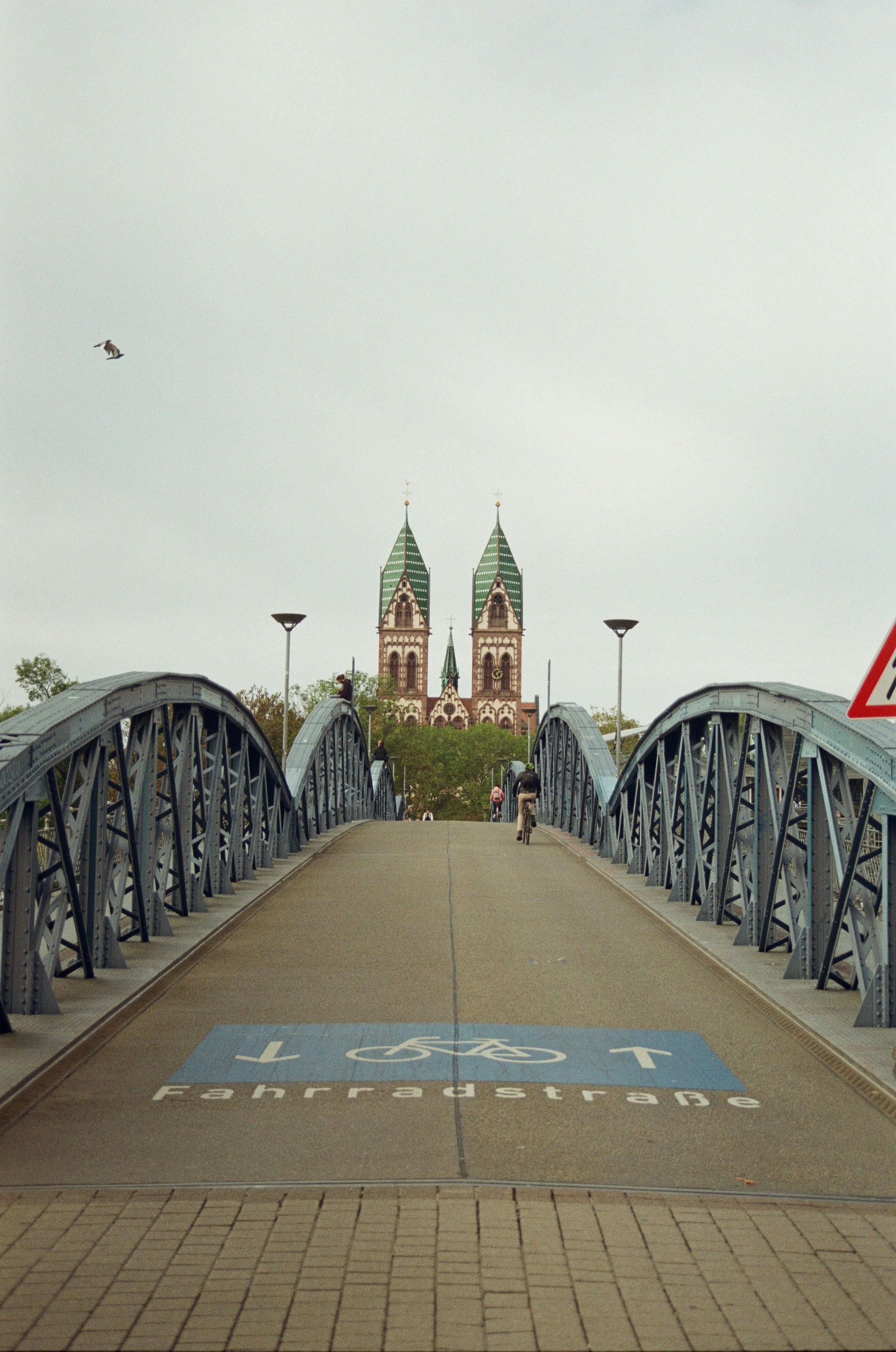 Cycle lane over a bridge in Freiburg. A typical example of the city's bike-friendly infrastructure. © Paul Schnürle/Unsplash
Baden-Württemberg serves as a particularly compelling 'real-world laboratory': densely populated urban areas and a strong industrial base intersect with vulnerable natural regions. Greener cities and shorter travel distances could significantly improve air quality. Promoting mobility for pedestrians and cyclists offers clear benefits for health and the environment. Planetary health working groups, such as those at Mannheim University Hospital (UMM), are therefore involved in various projects to support comprehensive traffic-calming measures in residential neighbourhoods.3)
Heilbronn, named the European Green Capital 2027, has implemented noise action and air pollution control plans alongside its broader mobility strategy.4) The integrated climate protection concept of the University Hospital of Tübingen, funded by the Federal Ministry for the Environment, Nature Conservation, Nuclear Safety and Consumer Protection (BMUKN), aims to reduce CO₂ emissions by ten percent by 2030 compared with 2022. Measures include expanding cycle parking, introducing electric service vehicles, establishing a carpooling platform and providing subsidies for the Deutschlandticket (ed. note: monthly local transport pass in Germany) and cycle leasing.5) Climate mobility plans allow municipalities across Baden-Württemberg to develop tailored packages of measures for sustainable transport. The pilot city for this initiative was Freiburg.6)
Other areas of action concern the degree of surface sealing and the design of public spaces. Mannheim’s urban climate analysis produced a planning reference map that evaluates the urban climate to identify compensation and impact zones. This analysis led to recommendations for creating more green spaces, providing shade and implementing climate-adapted construction.7) Because green spaces provide cooling and open areas support air circulation, it is essential to empower local authorities to expand and maintain these vital urban features.
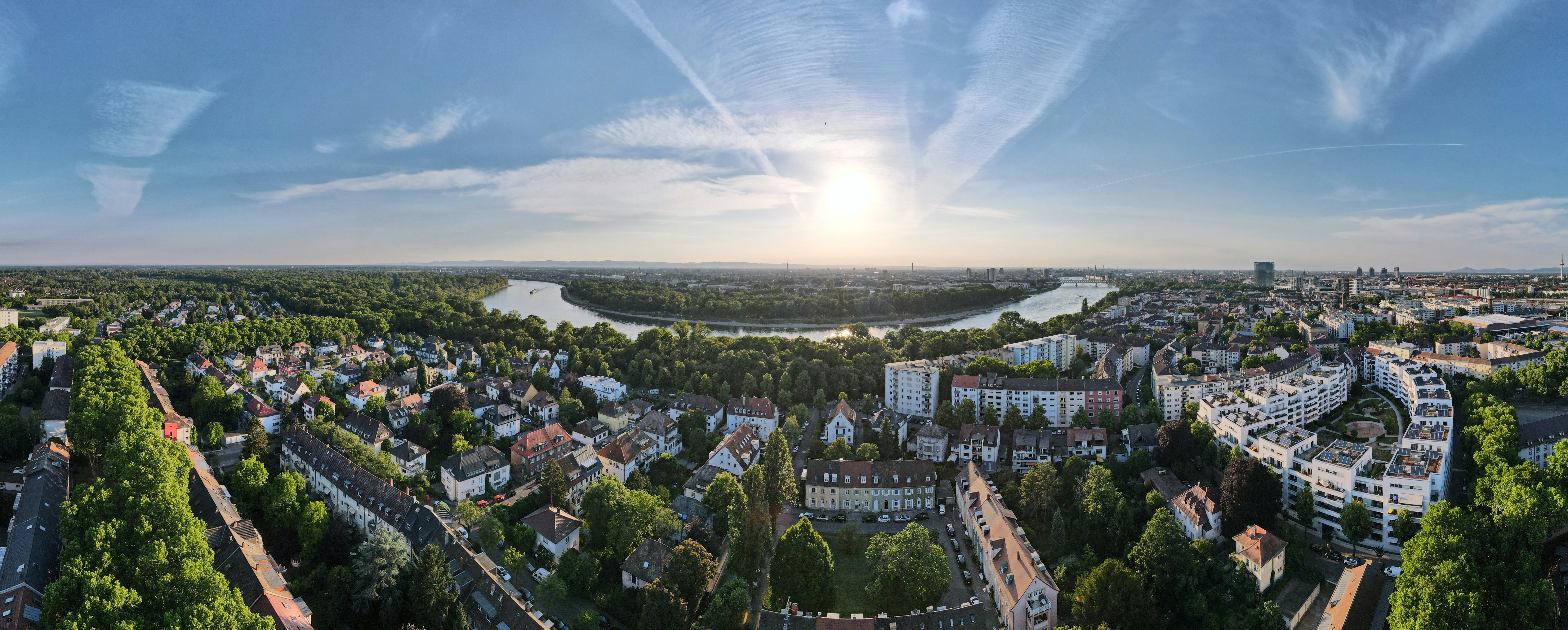 Panoramic view of Mannheim. © Recorder MA/Unsplash
In the PROLOK project (Process Scheme for Local Heat Adaptation in Small Municipalities), researchers from the Karlsruhe Institute of Technology and the University of Freiburg are exploring ways to protect small municipalities from heat events.8) A key starting point is to treat climate impact adaptation and protection measures not as voluntary initiatives, but as mandatory municipal responsibilities, with appropriate resources allocated to support them. The KLIMOPASS programme, funded by the Ministry of the Environment, Climate and Energy, assists municipalities in adapting to climate change, and heat action plans are also eligible for funding.9)
Our diet determines our health and climate
High consumption of highly processed foods, as well as red and processed meats, increases the risk of obesity, type 2 diabetes, cardiovascular disease and cancer. The Planetary Health Diet, developed by the EAT‑Lancet Commission, provides a scientifically grounded framework.10) At its core, the diet recommends predominantly plant-based foods – vegetables, fruits, whole grains, legumes and nuts – supplemented with moderate quantities of animal products. The goal is twofold: to reduce diet-related diseases and to respect the planet’s ecological limits, as plant-based foods generally produce fewer greenhouse gas emissions and require less land and water.
Are cities and municipalities prepared for climate change?
Although the need for heat prevention is widely recognised, measures in many areas are still lacking. As was seen in Canada, without adequate preparation a heat dome could overwhelm emergency response systems in Germany as well. Stuttgart is moving from 'warning' to 'action': its heat action plan combines measures such as reducing sealed surfaces, increasing green spaces, providing drinking water stations and ensuring heat protection at public events.11)
In Mannheim, one of Germany’s hottest cities, the local council has adopted an expanded heat action plan.12) It identifies population groups that require special protection: the elderly, people with illnesses, individuals with addictions, the homeless and children. The plan includes information sheets with tips for coping with hot weather, a prevention plan for daycare centres and an overview of cooler urban areas. Homeless individuals are provided with suitcases so they do not have to layer all their clothing. A heatwave hotline has been set up for elderly and sick residents to be proactively contacted and receive assistance. Another key measure is adjusting medication plans in the spring - for example, reducing dosages and implementing hydration protocols - because many medications increase water excretion, which can exacerbate dehydration during heatwaves.
Baden-Württemberg already has many building blocks in place: committed local authorities, funding programmes, research and foundations. The next step is to connect them and turn individual projects into a common course of action.
